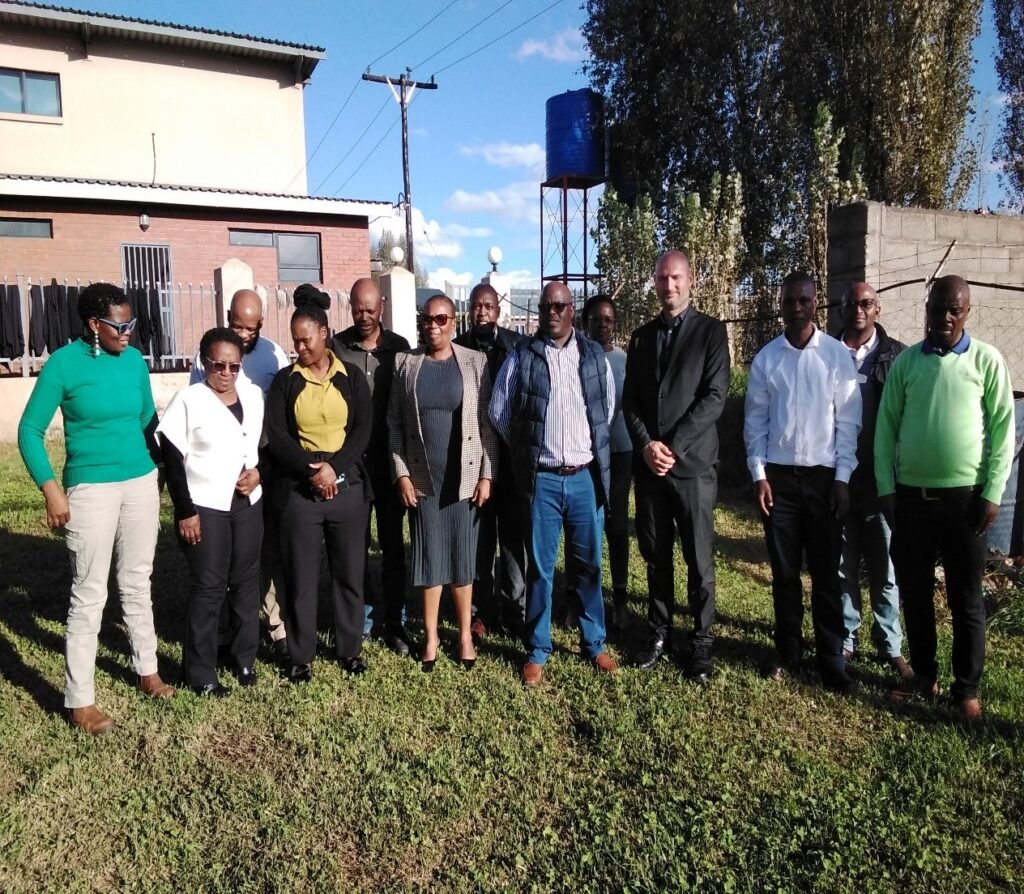
The Department of Agricultural Research (DAR) under the Ministry of Agriculture Food Security and Nutrition (MAFSN) is collaborating with Food and Agriculture Organization of the United Nations (FAO) to implement a two year FVC/GLO/236/MUL Project tilled “Youth-led Innovative Climate-Smart Fresh Vegetable Value Chains for Enhanced Nutrition and Improved Livelihoods” This project will be implemented in the two districts of Lesotho; Maseru (Matsieng and Marakabei) and Leribe (Mahobong).
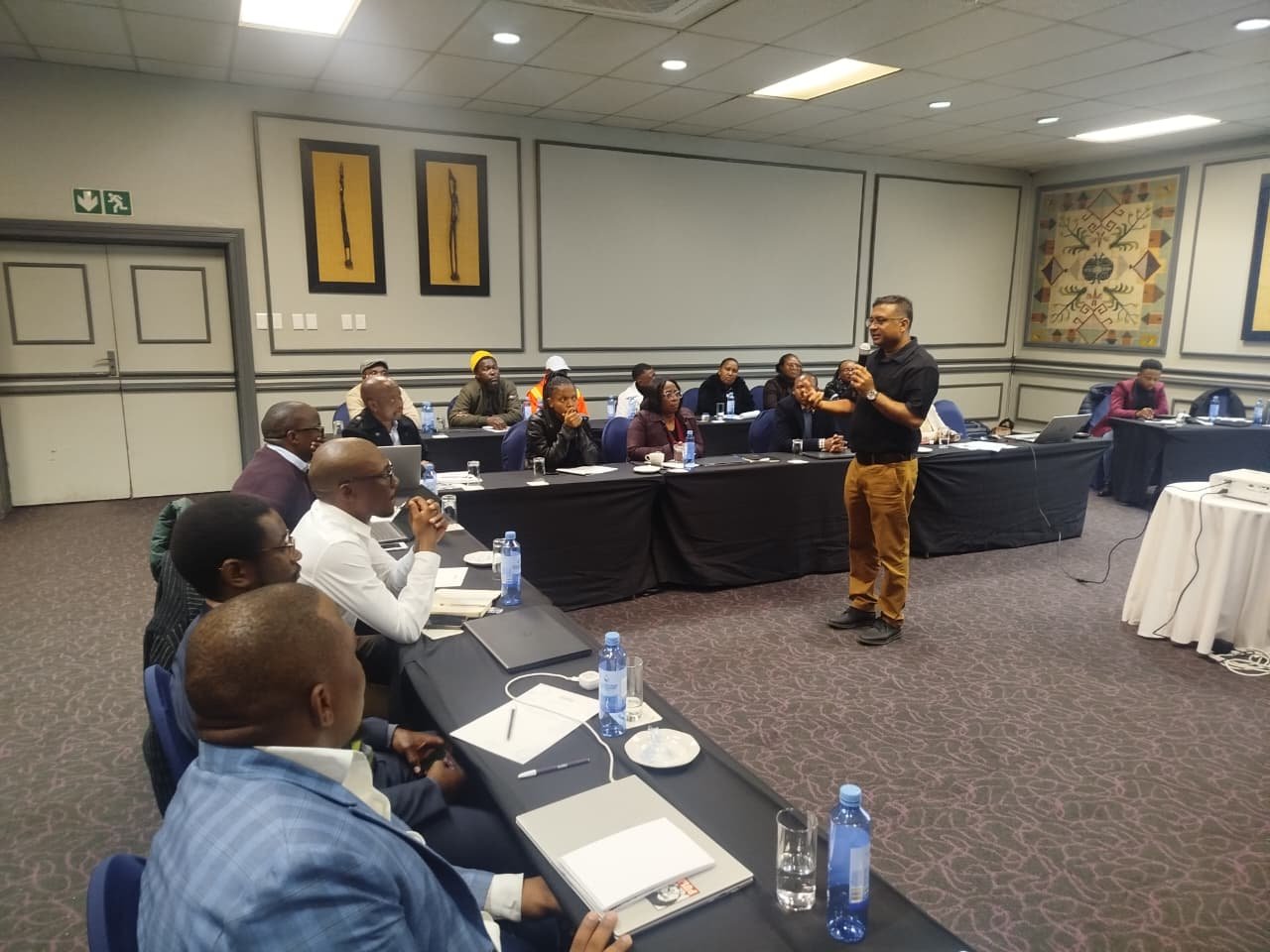
The programme Director; Dr. Bataung Kuenene, welcomed all present and led the introduction of the participants.
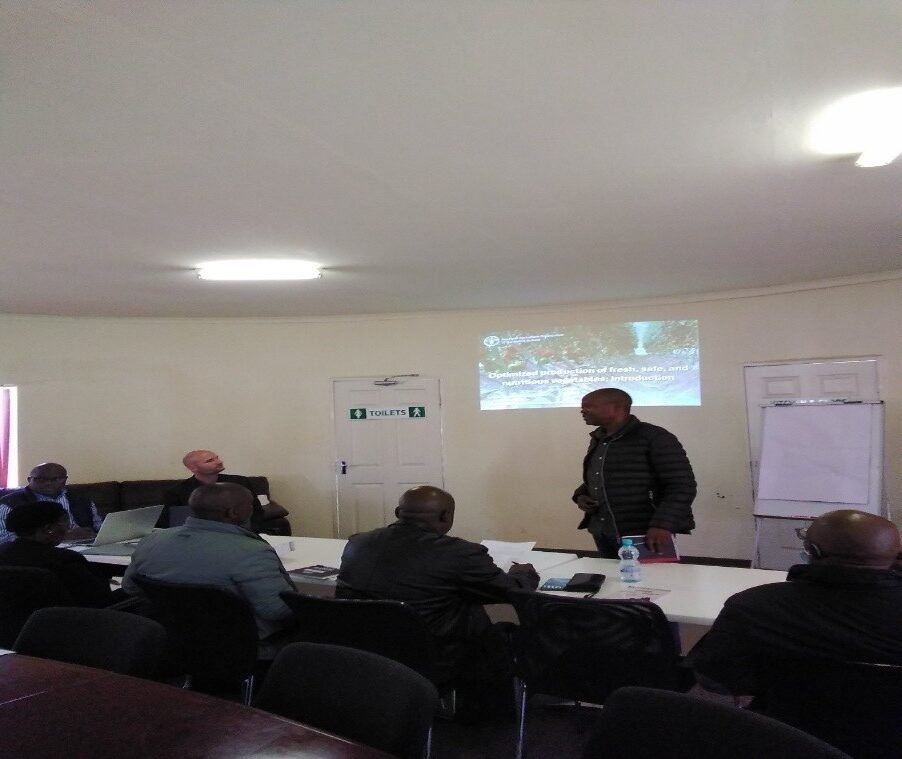
To introduce this concept of “optimized production of vegetables” which will be the basis for this project, a training was conducted by Dr. Leone Magliocchetti-Lombi from FAO Headquarters in Rome. The objective according to the Project Coordinator Mr. Refuoehape Chabalala was to introduce this concept to the DAR Researchers and officers from the Department of Crops, get their understanding of the theory behind the optimization, get to understand it as they will in turn deliver the same training to the extension personnel before the project is implemented.
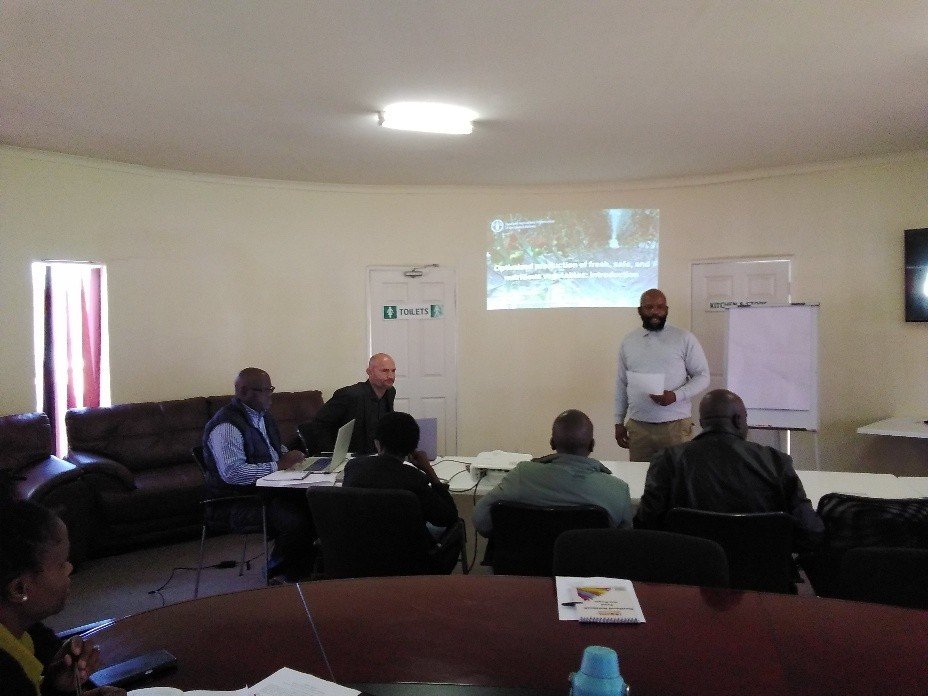
Ms. Monica Lephole on behalf of the Director-DAR gave the opening remarks. She thanked FAO for considering Lesotho in this project as from its documents, it has shown how impactful it will be for Basotho farmers to improve their livelihoods. She also thanked the participants for putting aside their buzzy schedules to attend this very important training and requested them to cooperate with Dr. Leone, share what they know and understand about optimized vegetable production and also learn from the Dr. Leone as the expert. She indicated that land, water and seeds are the vital components in modern agriculture but they need back-up of protected structures especially in this climate change era. The significance of this according to Ms. Lephole lies in the fact that technologies for modern agriculture emphasizes strong adherence to issues of soil management, pest and disease management and proper irrigation, as all these and more can have dire consequences to farmers if they are not well understood and handled.
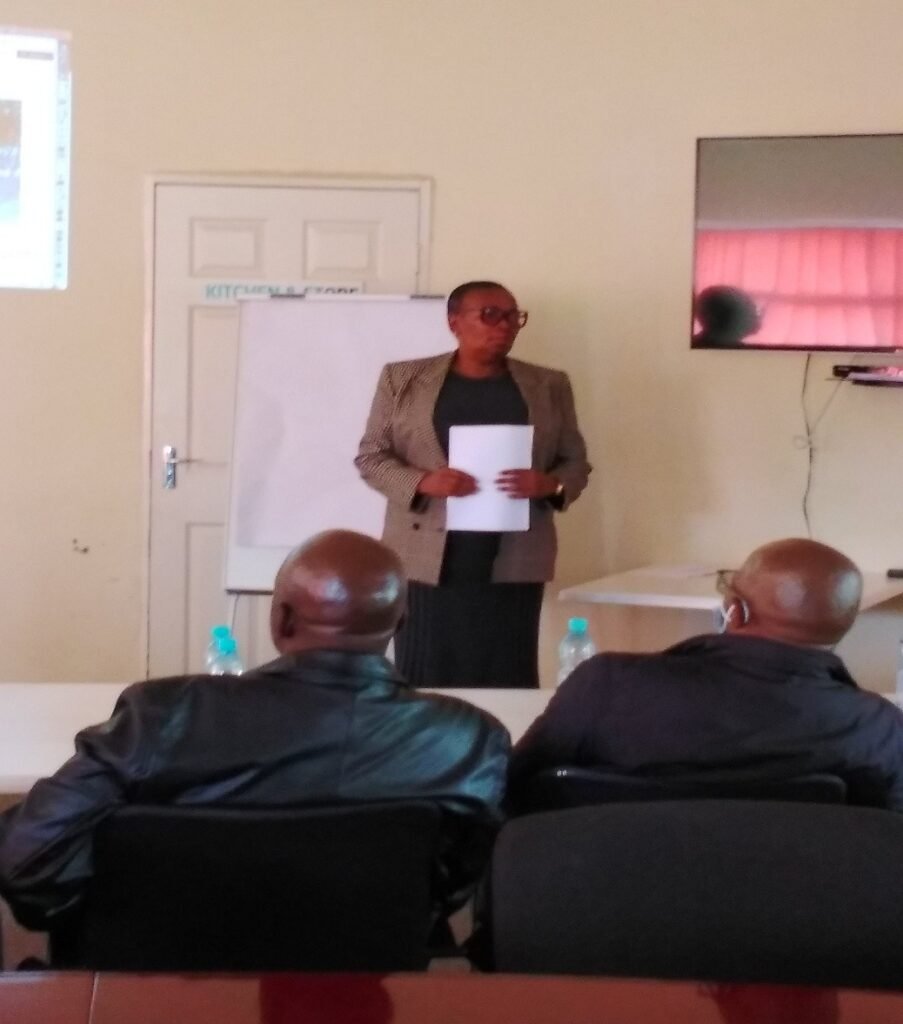
Ms. Lephole concluded by pleading with the participants to fully understand all concepts related to optimized vegetable production as they are going to impart this knowledge to the extension personnel in the two Districts where the project will be implemented.
Dr. Leone’s first question to the participants was why the need for fresh vegetables. The responses showed that, there is a growing demand for fresh vegetables and this is an opportunity for farmers to grab with both hands as more and more people are coming to cities, want fresh vegetables which in most cases cannot produce for themselves but have the buying power. However, it was also mentioned that the production of these vegetables comes with challenges such as hail, too much and too little rain, sunlight and snow. This becomes problematic to the farmers as they have invested a lot of money and other resources to their production.
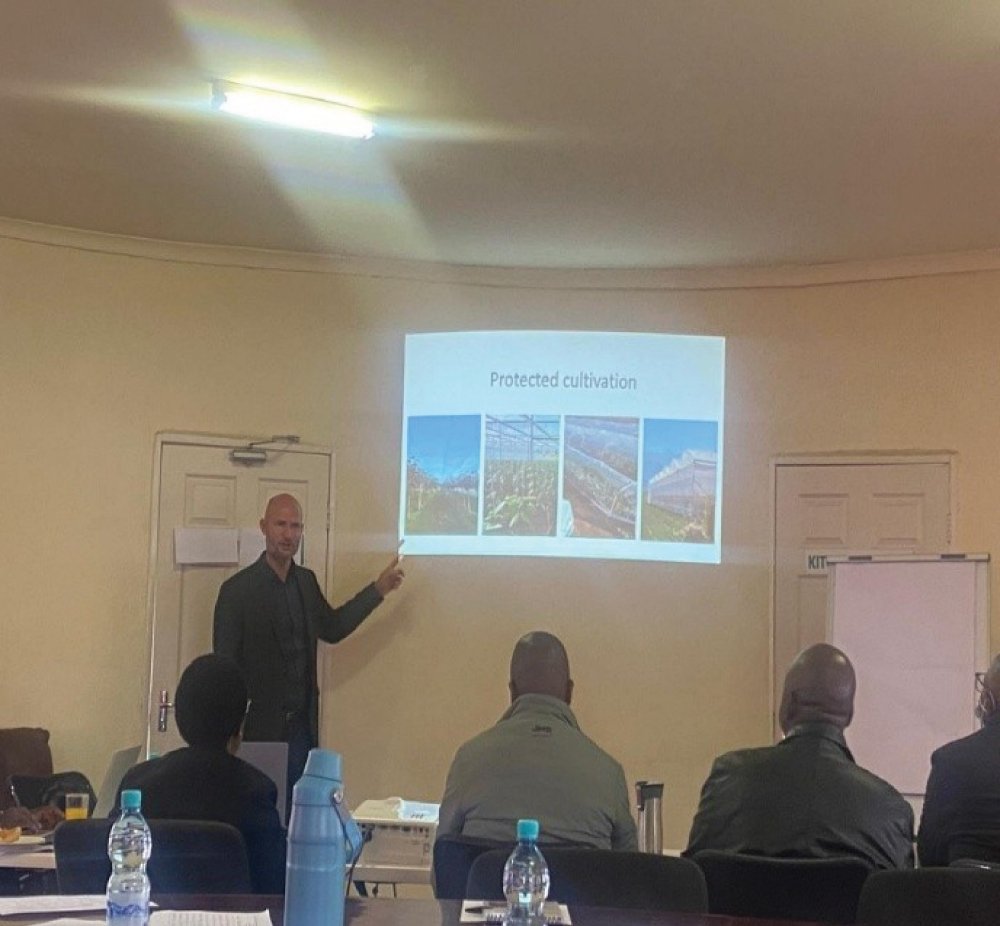
All these challenges according to Dr. Leone can be mitigated by protected cultivation systems using for example shade nests, tunnels and green houses. According to Dr. Leone, optimization of fresh vegetables value chain demands a pragmatic approach to optimize horticultural production (fresh and nutritious fruit and vegetables), turning smallholder farming into a sustainable market oriented business, adapted to the local conditions.
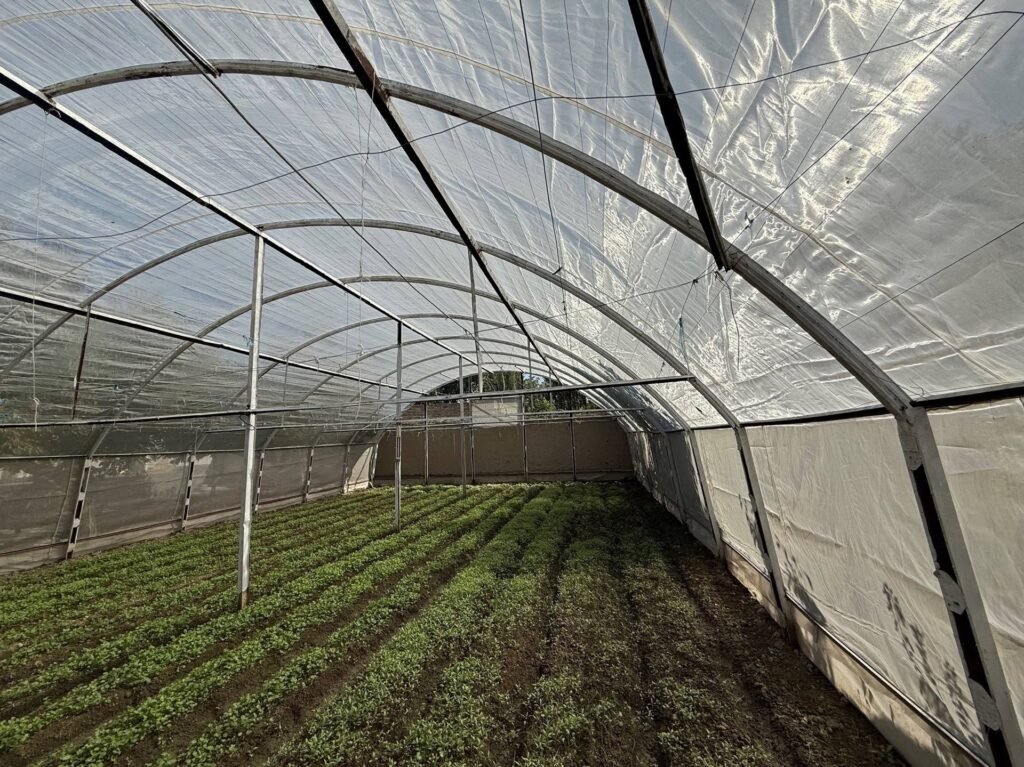
Participants were then given a thorough explanation on the optimized production, structures and good agricultural practices (GAPS) of these structures for optimum production by the local farmers.
In terms of site selection for constructing a protected structure, some aspects to consider included:
- Slope; the ideal is 0.5-2%
- Sunlight; the site should be able to receive as much sunlight as possible to enable plants to convert it into energy.
- Water availability and quality
On the other hand, materials for constructing these structures need to be carefully selected as well. They need to be transmissive, that is those that will allow enough light inside the structure, protect the crops from too much rain and also act to diffuse the light. For the farmer to select the correct materials, they first need to identify the problem they are trying to solve. For example, in terms of shading nets, there are those which are 25mm think and 40mm. These are good to protect the crops from insects and allows for maximum airflow.
Examples of the different protected structures used in various countries and situations were given to further explain this concept of optimized production of fresh vegetables.
In conclusion, Dr Leone indicated that “optimised production” needs to focus on the crop, the preferred technology as well as the advantages and disadvantges of the selected production method. Participants were urged to search the FAO webside for smart farming and factsheets on vegetable production in protected cultivation.